
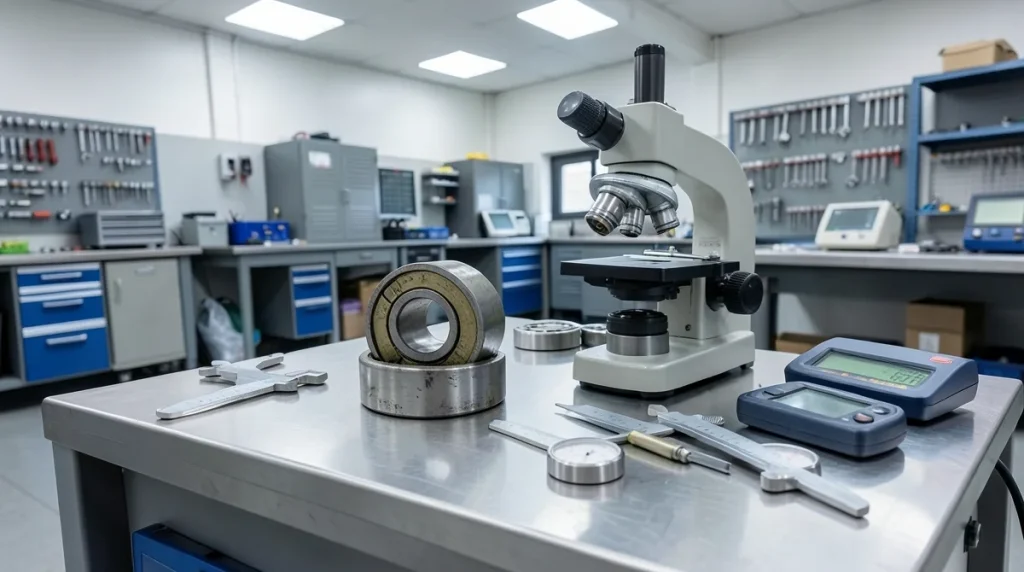
Bearing Reverse Engineering vs Interchange vs Redesign: Three Routes for an Obsolete Bearing
Once an obsolete bearing has been identified, the question changes from “what is it?” to “what replaces it?” This comparison
Once an obsolete bearing has been identified, the question changes from “what is it?” to “what replaces it?” This comparison
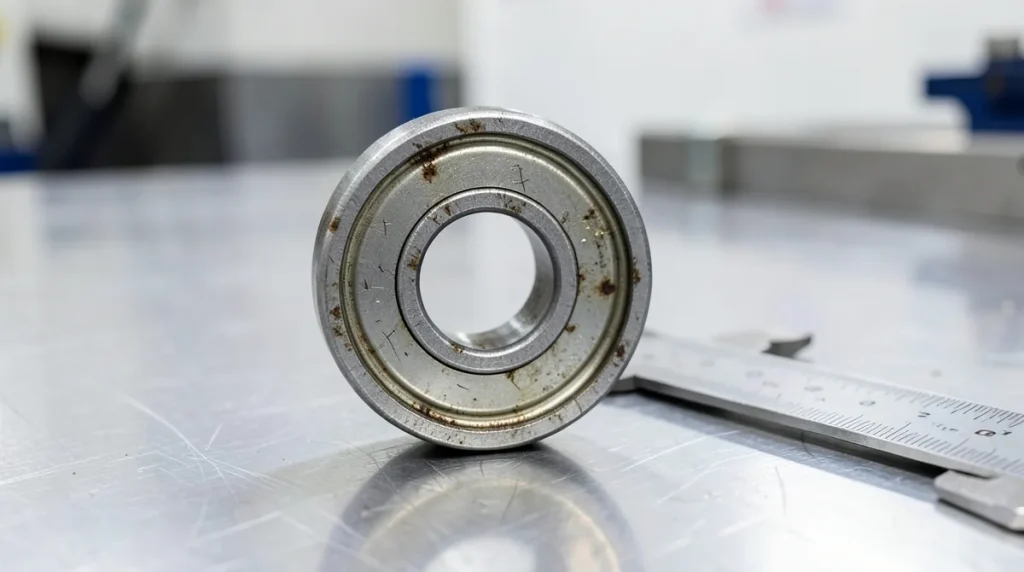
A worn bearing arrives on the bench with its markings rubbed away, or it never carried a standard number at
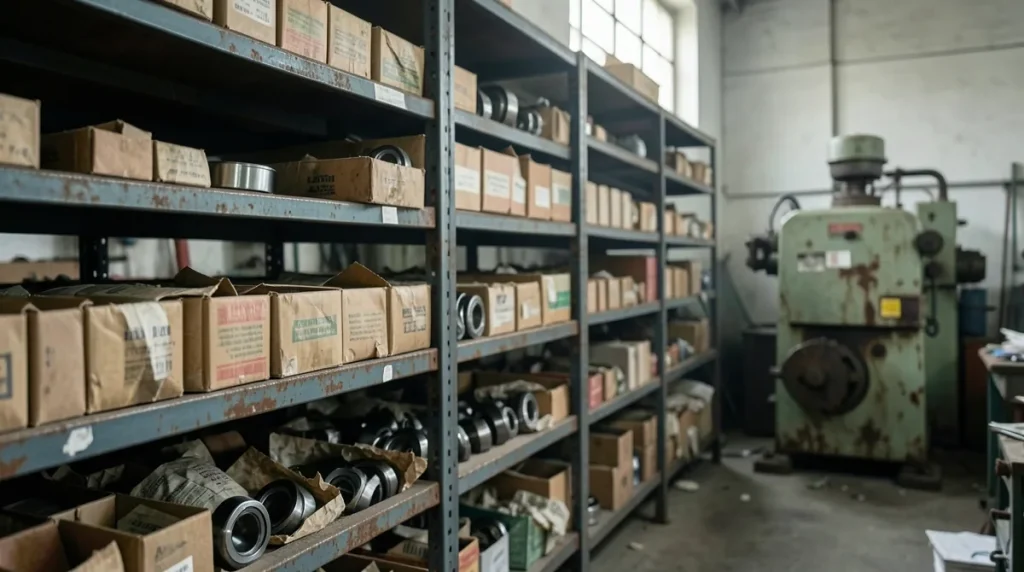
A production line can run for thirty years. The bearings inside it were often catalogued for far less. When a
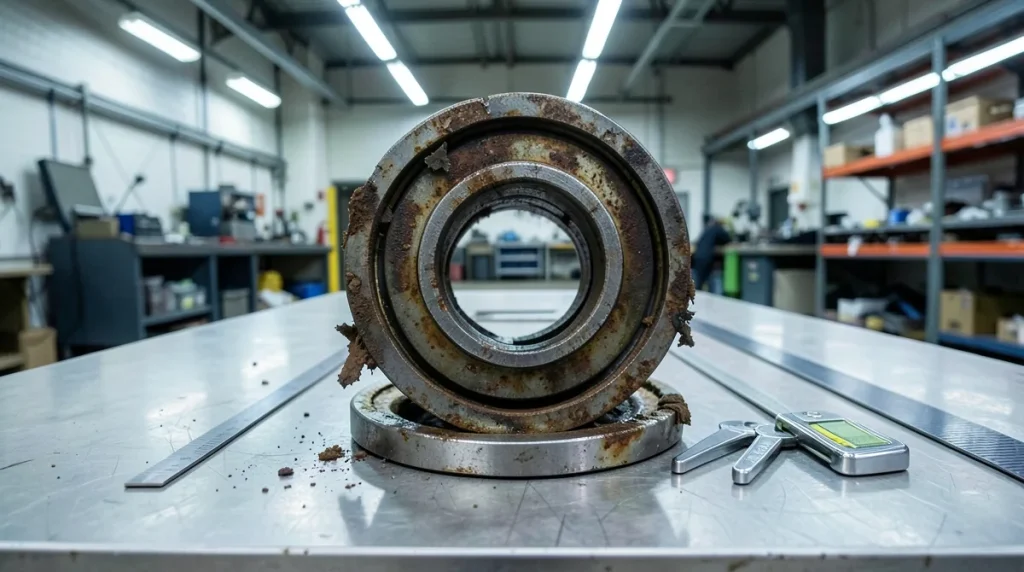
Most slewing ring failures come from overlooked detail rather than the bearing itself. That is an uncomfortable finding, because it
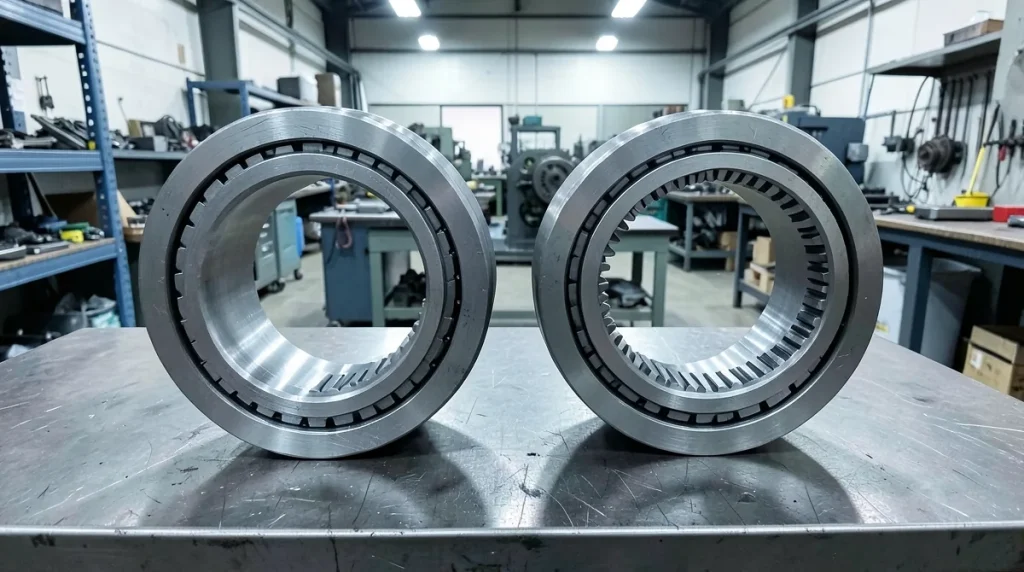
Gear configuration is usually settled in about thirty seconds, somewhere near the end of a design review, and then lived
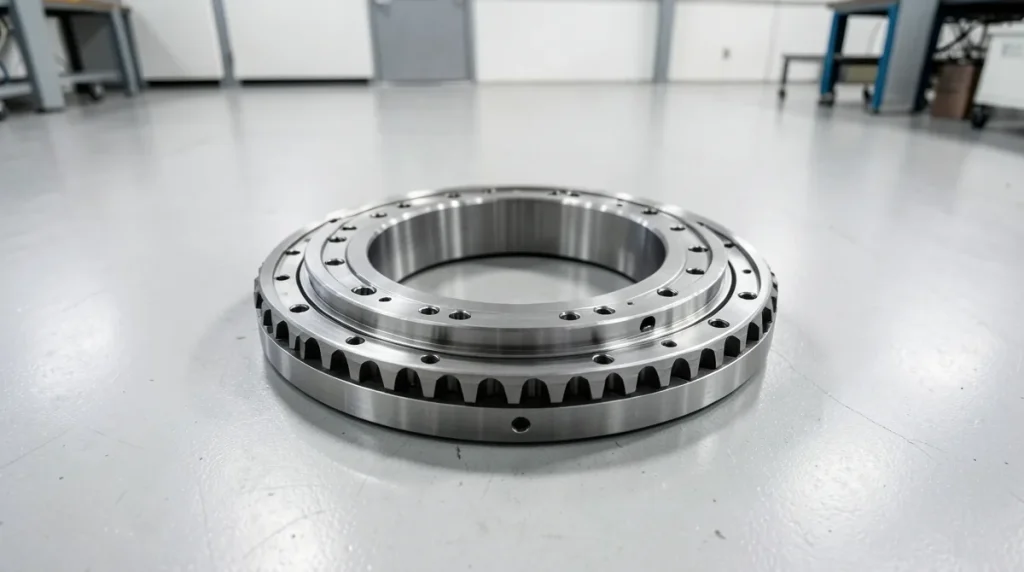
Most bearing selection starts with a bore diameter. Slewing ring selection does not. It starts with a moment load, and

Standard bearings do not fail slowly at cryogenic temperatures. They fail on the first cool-down, or within hours of it,

Two rolling elements sit on the bench. One is 440C stainless steel. One is silicon nitride ceramic. At room temperature

A bearing that runs without complaint at 20°C can lock solid at −196°C. Nothing about the load has changed, and
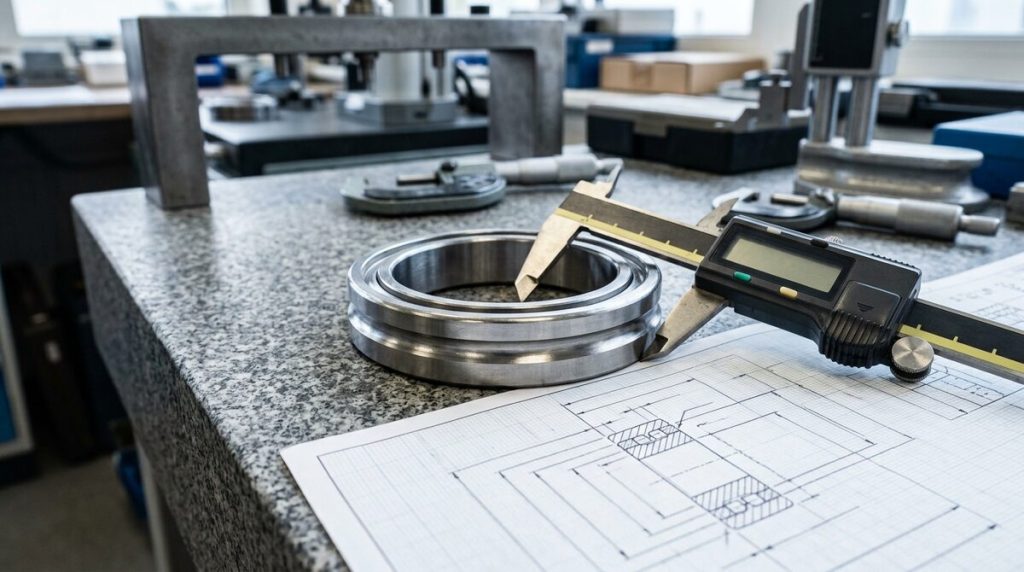
Military bearing lead times of 60 weeks or more are not an inconvenience — they are a programme stopper. When