
Hybrid Ceramic Bearings
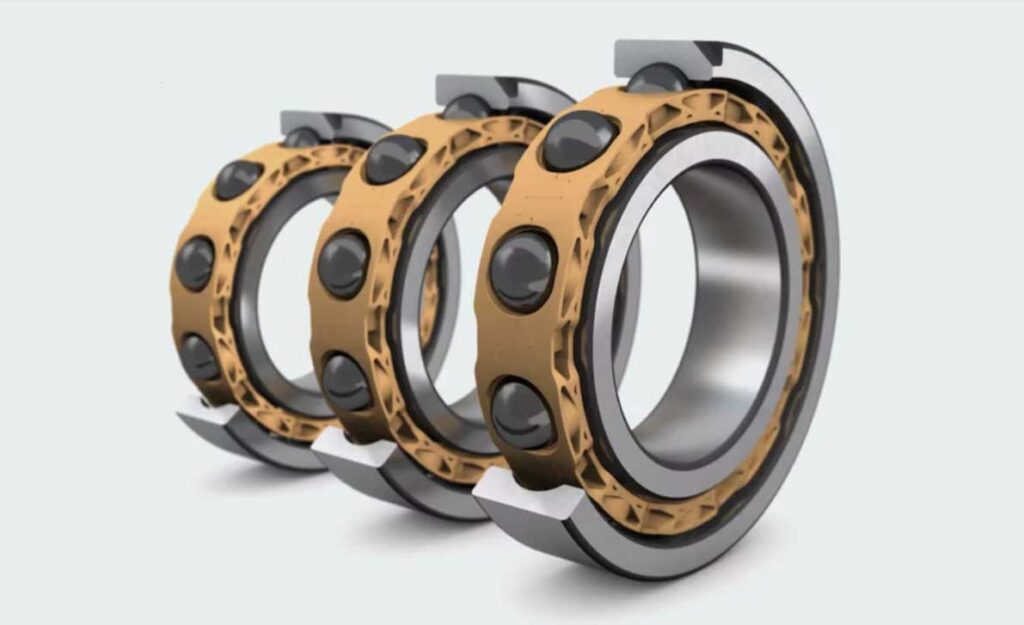
When conventional bearings fail, hybrid and ceramic bearings deliver. We supply bearing solutions for applications that standard steel bearings will not survive. Whether this be ultra-high vacuum systems and cryogenic environments to space applications and pharmaceutical clean rooms.
Our experience covers numerous critical sectors:
- Ultra-high vacuum systems where outgassing destroys vacuum integrity
- Cryogenic equipment operating at extreme low temperatures
- Space applications requiring maintenance-free operation for extended missions
- Pharmaceutical manufacturing where contamination is unacceptable
- Motorsport applications pushing speed and performance limits
Applications Across Industries
Ultra High Vacuum (UHV): These high-tech systems include particle accelerators, electron microscopes, semiconductor processing equipment, and analytical instruments. These harsh environments must have bearings that won't contaminate vacuum systems through outgassing.
Cryogenics: Liquefied gas pumps, superconducting magnet systems, and low-temperature research equipment. These systems solidify conventional lubricants into a glass-like consistency.
Space: These applications involve satellite mechanisms, spacecraft actuators, and space telescope positioning systems. All these systems face extreme temperature cycling and launch vibrations that allow for zero margin for error.
Pharmaceutical: This sector utilizes tablet presses, coating equipment, mixing systems, and packaging machinery. The system needs absolute cleanliness. Traditional oil and grease lubrication risks contamination during steam sterilisation and caustic wash-down.
Motorsport: Formula 1, Formula E, and endurance racing demand bearings that survive extreme speeds. All the while, they must provide electrical insulation in electric vehicle motors where every watt of friction matters.
Common Bearing Failures We've Diagnosed and Resolved
Incorrect Lubrication: Ceramic and hybrid bearings need different lubrication strategies than steel. Silicon nitride is harder and less tolerant of boundary lubrication conditions. We've resolved many of these failures. We do this by specifying minimal lubrication quantities, synthetic oils with appropriate additives, or dry lubrication systems using MoS2 or tungsten disulphide coatings.
Electronic Arcing Damage: In electric motors and generators, electrical current passes through bearings, causing electrochemical erosion and fluting damage on raceways. Hybrid ceramic bearings provide electrical insulation. This breaks the current path and eliminates bearing current damage. This is particularly valuable in variable frequency drive applications.
Speed-Related Failures: As speeds increase, centrifugal forces cause steel balls to skid rather than roll properly, generating excessive heat. Hybrid ceramic bearings, with balls significantly lighter than steel, dramatically reduce centrifugal forces. We've enabled speed increases in machine tool spindles and turbomolecular pumps. This is where steel bearings reach their physical limits.
Self-Lubricating Requirements: Applications in vacuum, clean rooms, or inaccessible locations cannot use liquid lubricants. We've specified full ceramic bearings with dry film lubrication that achieve service lives measured in years rather than weeks.
Installation Insights – Lessons Learnt Beyond the Textbooks
Thermal Expansion Mismatches: Ceramic materials have significantly different thermal expansion coefficients than steel. In cryogenic applications, bearing fits correct at room temperature become dangerously loose at operating temperature. Silicon nitride expands considerably less than steel. This requires careful calculation of fits across the operating temperature range.
Handling Sensitivity: Ceramic materials are notch-sensitive and brittle compared to steel. Installation procedures must eliminate any possibility of dropping components or striking ceramic elements. This includes padded work surfaces and strict cleanliness protocols.
The Myth of "Unlubricated" Operation: Marketing collateral describe ceramic bearings as being capable of "running dry". This misleads engineers and convinces them that no lubrication is needed. Actually, ceramic bearings benefit from lubrication.
Preload Requirements Differ: Ceramic balls are stiffer than their steel ball counterparts. This negatively impacts mechanical and preload capabilities. And hybrid bearings perform better with higher preload than steel bearings.
Explore our imperial cam follower range for additional precision components.
Customer Success Stories
Increased Speed and Performance in Motorsport: Racing teams operating electric motors at extreme speeds faced repeated bearing failures. These failures are directly linked to electrical current damage and excessive heat. We supplied hybrid ceramic bearings to eliminate bearing current damage and reduce friction. As a result, these race teams increased their motor speeds and gained additional power. In fact, their new bearings lasted the whole season.
Removal of Contamination in Ultra High Vacuum: Research facilities operating electron microscopes and surface analysis equipment struggled with hydrocarbon contamination from bearing outgassing. This contamination required extended pumping time that severely limited instrument availability. After installing full ceramic bearings with tungsten disulphide dry film lubrication, these systems reach operating vacuum in a fraction of the previous time. And sample contamination incidents are now eliminated entirely.
Our Expertise
Technical Qualifications We're ISO 9001:2015 and AS9120D:2016 certified. This showcases our commitment to quality management systems.
Product Knowledge and Specialization
Our expertise:
- Hybrid Bearings – Combining ceramic balls with steel rings to prevent electrical damage and extend bearing life
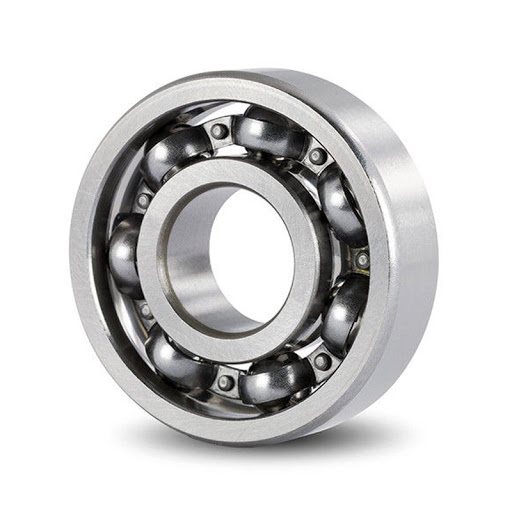
- Full Ceramic Bearings – Silicon nitride or zirconia options for vacuum systems and extreme temperature environments
- High-Temperature Applications – Ceramics that keep working at temperatures where standard bearings fail
- High-Speed Performance – Lighter ceramic balls allow rotational speeds that steel simply can't handle
- Vacuum and Clean Room Applications – Selecting materials that won't contaminate your process through outgassing

Material Science Expertise
- Silicon Nitride Ceramics
- Zirconia Ceramics
- Bearing Ring Materials
- Dry Lubrication Technologies (sputtered MoS2, tungsten disulphide, PTFE-based coatings)
- Liquid Lubrication for Hybrid Bearings
- electrical insulation properties
- FDA-Compliant Ceramics for Pharmaceutical Applications