Hybrid Ceramic Bearings
What Are Hybrid Ceramic Bearings?
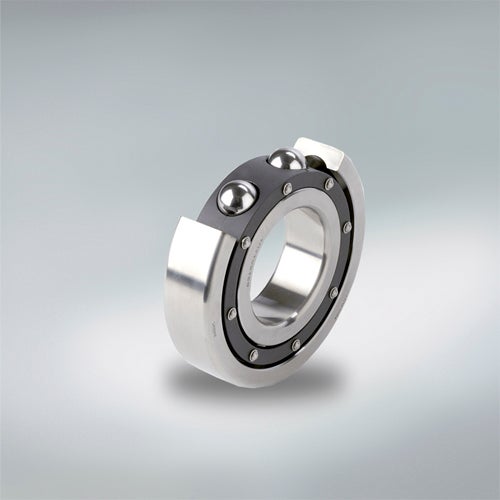
Hybrid ceramic bearings combine ceramic balls with steel rings to prevent electrical damage and extend bearing life. They perform in conditions where standard steel bearings fail. Full ceramic options in silicon nitride or zirconia handle ultra high vacuum systems, cryogenics, and space applications. Bearing Specialists supply both hybrid and full ceramic bearing solutions for the most technically demanding environments.
When conventional bearings fail, hybrid ceramic bearings deliver. We supply advanced bearing solutions for applications that standard steel bearings will not survive. Our inventory covers hybrid bearings and full ceramic bearings. These range from particle accelerators and cryogenic systems to Formula 1 electric motors and pharmaceutical lines. Real expertise in ceramic bearing applications comes from field projects and hard-won lessons — not from catalogues.
What Every Hybrid Ceramic Bearing Engagement Includes
- Material selection between hybrid ceramic, full silicon nitride, and full zirconia options
- Lubrication strategy covering MoS2, tungsten disulphide, PTFE dry film, and synthetic oil systems
- Electrical insulation assessment for electric motor, variable frequency drive, and EV applications
- Thermal expansion calculation across the full operating temperature range
- Preload guidance that accounts for ceramic ball stiffness
- Handling and fitting guidance for notch-sensitive ceramic parts
- FDA-compliant ceramic options for pharmaceutical environments
- ISO 9001:2015 and AS9120D:2016 certified supply on every order
How We Approach a Hybrid Ceramic Bearing Application
Most ceramic bearing failures trace to decisions made before fitting. Our process addresses each variable before the bearing goes into the machine.
Step 1 — Failure Mode Diagnosis. First, we identify the root cause of the existing failure. This covers electrical arcing damage, speed-related skidding, lubrication breakdown, contamination, or thermal expansion mismatch. The solution addresses the actual cause rather than repeating the same failure.
Step 2 — Material Selection. Next, we select between hybrid ceramic bearings — ceramic balls with steel rings — and full ceramic options in silicon nitride or zirconia. Furthermore, the operating environment determines which option delivers the right electrical insulation, temperature stability, and contamination resistance.
Step 3 — Lubrication Strategy. Then, we specify the correct lubrication approach. Ultra high vacuum and clean room applications need dry film lubrication — sputtered MoS2, tungsten disulphide, or PTFE-based coatings. Additionally, hybrid ceramic bearings almost always benefit from a precise lubrication strategy, even where dry operation seems assumed.
Step 4 — Fitting and Preload Planning. Once materials and lubrication are confirmed, we calculate thermal expansion fits across the operating range. We also set the correct preload for ceramic ball stiffness. Furthermore, ceramic materials are notch-sensitive and brittle compared to steel. Fitting needs padded work surfaces and strict cleanliness.
Step 5 — Supply and Support. Finally, we supply the bearings with full documentation under ISO 9001:2015 and AS9120D:2016 certified procedures. We stay available for post-fitting technical support.
Why Are My Bearings Failing in Extreme Conditions?
Bearing failures in extreme environments usually trace to one of four causes. These are incorrect lubrication for ceramic materials, electrical current causing raceway fluting and erosion, centrifugal forces at high speed causing steel balls to skid, or thermal expansion mismatches that make correctly fitted bearings loose at operating temperature. Each failure mode needs a distinct solution.
Hybrid Ceramic Bearing Applications We Support
The Bearing Specialists work across five demanding environments where standard steel bearings cannot deliver the required performance or cleanliness.
Nuclear and Ultra High Vacuum (UHV). First, particle accelerators, electron microscopes, semiconductor processing equipment, and analytical instruments need bearings that will not contaminate vacuum systems through outgassing. Full ceramic bearings with tungsten disulphide dry film reach operating vacuum levels in a fraction of the time — and remove sample contamination entirely.
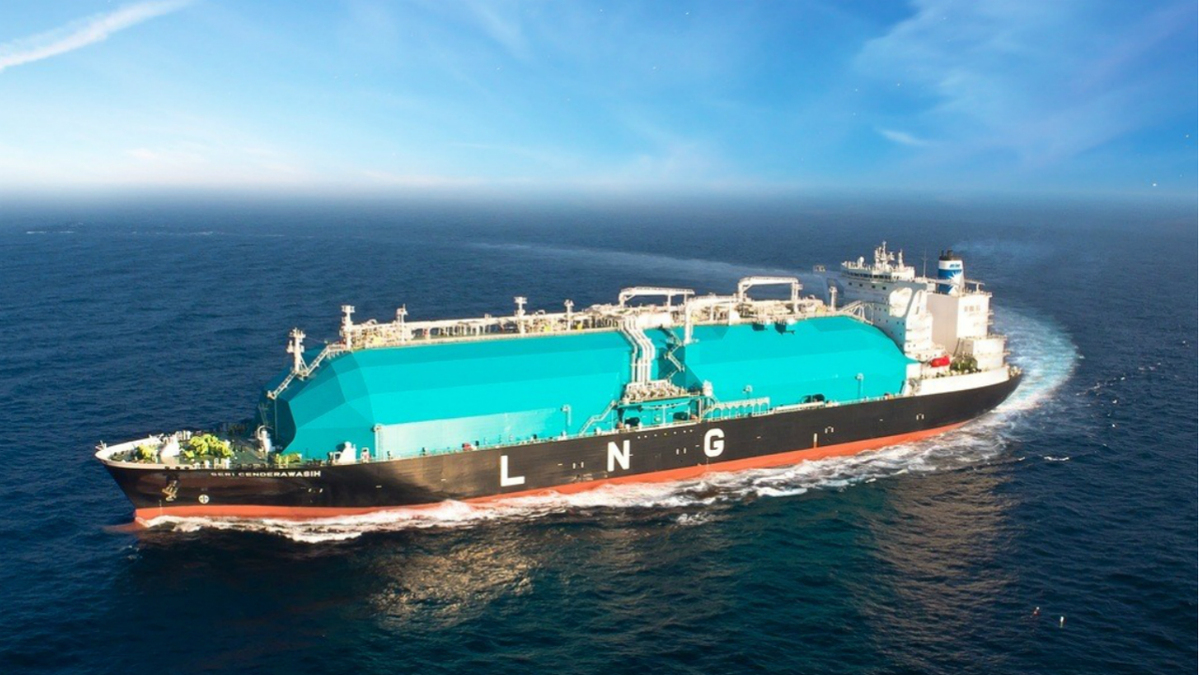
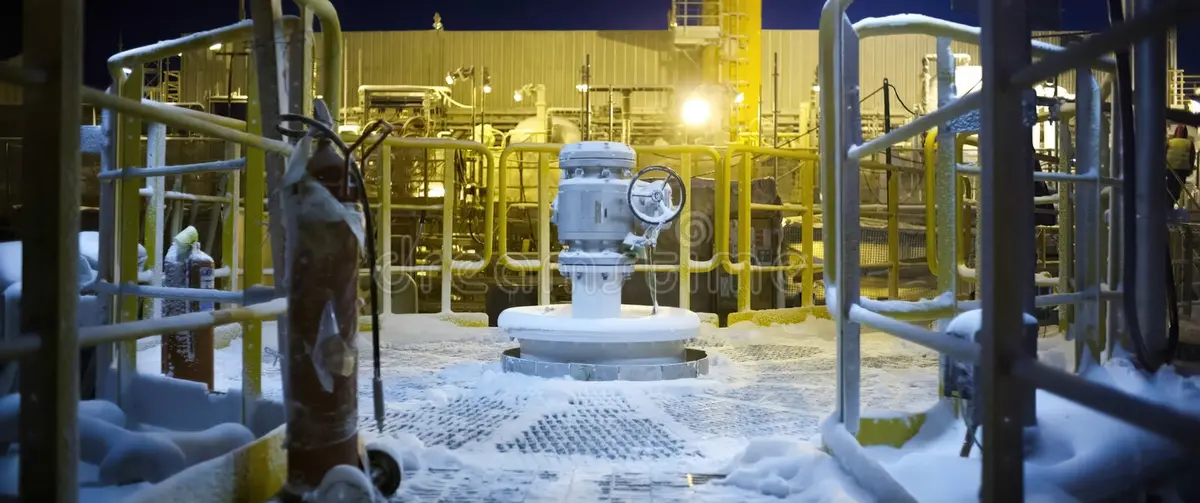
Cryogenic Systems. Next, liquefied gas pumps, superconducting magnet systems, and low-temperature research equipment operate where standard lubricants turn solid. Additionally, silicon nitride expands much less than steel. This needs careful calculation of fits across the full operating temperature range.
Space. Satellite mechanisms and spacecraft actuators face extreme temperature cycling with zero margin for error. Both full ceramic and hybrid ceramic bearings provide the maintenance-free reliability these applications need.
Pharmaceutical. Tablet presses, coating equipment, mixing systems, and packaging machinery need absolute cleanliness. Standard oil and grease lubrication risks contamination during steam sterilisation and caustic wash-down. FDA-compliant hybrid ceramic bearings remove these risks entirely.
Motorsport. Finally, Formula 1 and Formula E applications demand bearings that survive extreme speeds. They must also provide electrical insulation in electric vehicle motors where every watt of friction matters. Lighter ceramic balls reduce centrifugal forces — enabling motor speeds that steel bearings cannot reach.
What Real-World Projects Have Taught Us
Racing teams running electric motors at extreme speeds faced repeated bearing failures. These failures linked directly to electrical current damage and excessive heat. We supplied hybrid ceramic bearings to cut bearing current damage and reduce friction. As a result, these teams increased motor speeds, gained extra power, and their bearings lasted the full racing season. According to Schaeffler’s hybrid bearing technical documentation, ceramic balls generate much less heat at high speeds due to their lower mass and reduced centrifugal loading. Our motorsport and turbomolecular pump projects confirm this every time.
Research facilities running electron microscopes struggled with hydrocarbon contamination from bearing outgassing. This required extended pumping times and severely cut instrument uptime. After fitting full ceramic bearings with tungsten disulphide dry film lubrication, these ultra high vacuum systems reached operating levels in a fraction of the time. Furthermore, sample contamination incidents are now removed entirely.
What Makes Hybrid Ceramic Bearings Different From Standard Steel?
These bearings outperform standard steel in four ways. Ceramic balls are lighter, harder, and stiffer than steel. They provide electrical insulation that removes current damage. They run in temperature extremes and vacuum environments without contaminating the process. And they reach speeds that cause standard steel balls to skid rather than roll. Consequently, no steel bearing can match these combined properties.


Inside Our Hybrid Ceramic Bearings Capability
The Bearing Specialists hold deep expertise across hybrid ceramic and full ceramic bearing supply. This covers silicon nitride and zirconia material selection, dry film lubrication systems, electrical insulation assessment, and FDA-compliant solutions for pharmaceutical environments. Our imperial cam follower range and metric cam follower range extend our precision component capability across the wider bearing assembly.
For applications that span both temperature extremes, our high temperature bearings and cryogenic bearings cover the full range where standard steel fails. Additionally, angular contact bearings provide the precise load management many hybrid ceramic bearing applications also need. We hold ISO 9001:2015 and AS9120D:2016 certifications, and our supply model avoids the prohibitive minimum orders and long lead times that come with major bearing brands.
Why Choose The Bearing Specialists for Hybrid Ceramic Bearings?
The Bearing Specialists supply hybrid ceramic bearings across the most technically demanding sectors — from particle accelerators and cryogenic systems to Formula 1 motors and pharmaceutical clean rooms. ISO 9001:2015 and AS9120D:2016 certification, FDA-compliant ceramic options, dry film lubrication expertise, and flexible supply terms back every solution we deliver.
Frequently Asked Questions About Hybrid Ceramic Bearings
Hybrid ceramic bearings combine ceramic balls with steel rings. They deliver electrical insulation, higher speed capability, and reduced heat while keeping the load capacity of steel rings. Full ceramic bearings use ceramic for both balls and rings. They suit ultra high vacuum systems, cryogenic environments, and any application where outgassing or metal contamination is not acceptable.
Ceramic balls do not conduct electricity. Hybrid ceramic bearings break the current path that causes raceway erosion and fluting damage. This makes them the right choice for electric motors, variable frequency drive applications, and Formula E drivetrains where bearing current damage destroys standard steel bearings.
Not reliably in most cases. Marketing material often describes ceramic bearings as capable of running dry. But hybrid ceramic bearings almost always need a precise lubrication strategy to last. Only full ceramic bearings with dry film coatings — sputtered MoS2 or tungsten disulphide — achieve genuine dry operation suited for ultra high vacuum and hard-to-reach locations.
Full ceramic silicon nitride or zirconia bearings with tungsten disulphide, sputtered MoS2, or PTFE-based dry film lubrication suit ultra high vacuum applications. These bearings will not contaminate vacuum systems through outgassing. This is a critical need for particle accelerators, electron microscopes, and semiconductor processing equipment.
We supply hybrid ceramic bearings across nuclear and ultra high vacuum research, cryogenics, space, pharmaceutical, and motorsport sectors. Our supply model covers both hybrid and full ceramic options. This includes FDA-compliant ceramics, electrical insulation assessment, dry film lubrication systems, and flexible supply terms built around your production schedule.
Ready to Solve Your Bearing Challenge?
The Bearing Specialists deliver hybrid ceramic bearings engineered for the conditions where standard parts fail. Engineers across the most demanding industrial and research sectors rely on our material expertise, lubrication knowledge, and flexible supply arrangements.