Cryogenic Bearings
What Are Cryogenic Bearings?
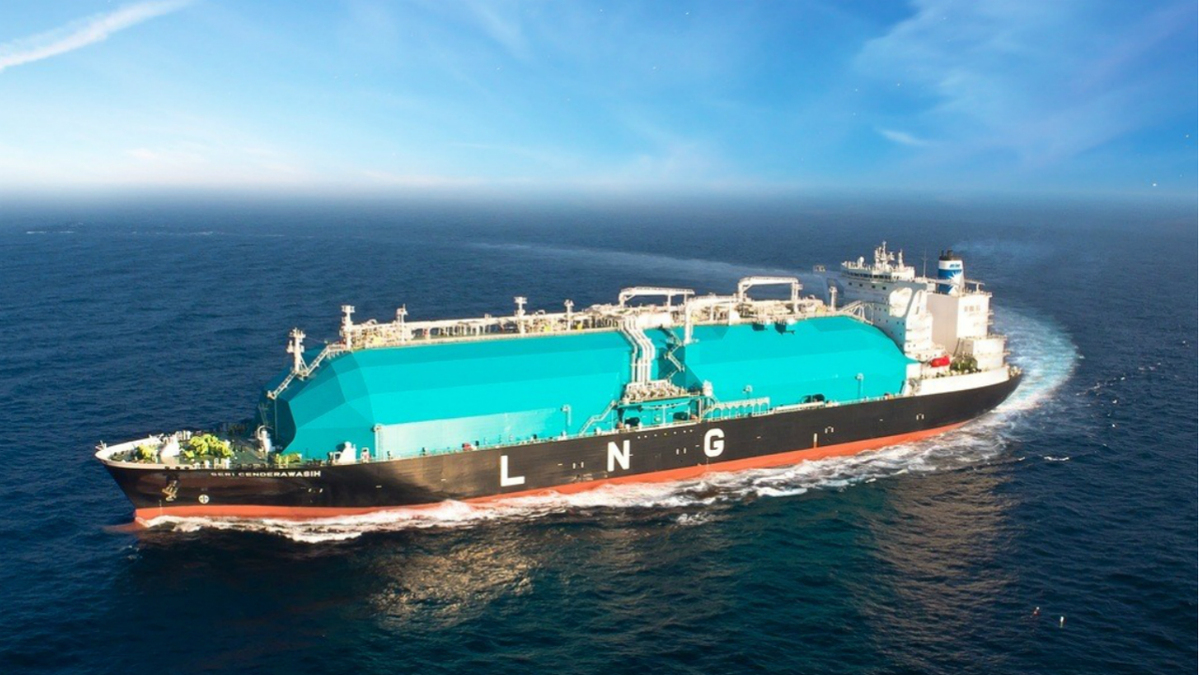
Cryogenic bearings are precision-engineered assemblies designed to hold stability and reliable output at temperatures as low as -196°C. Used in LNG, LN2, LOX, and hydrogen pump systems, they depend on specialist materials — including silicon nitride ceramic balls, 440C stainless steel races, and PTFE-based dry lubricants — to function where standard bearings fail.
When standard bearings fail, the costs in critical industrial systems are immediate — downtime, safety risks, and expensive unplanned replacements. Our engineering team specialises exclusively in cryogenic bearings and precision bearing solutions. We cover liquefied gas handling, nuclear, motorsport, and clean room uses. Behind each project sits 12 years of combined engineering experience. Seven of those years are dedicated solely to bearing technology. Each solution begins with root cause analysis, material science review, and purpose-built engineering — never off-the-shelf products. We deliver bearings that perform reliably where temperature extremes, contamination risks, and high-speed demands make failure unacceptable.
Cryogenic Bearings and Specialist Solutions We Deliver
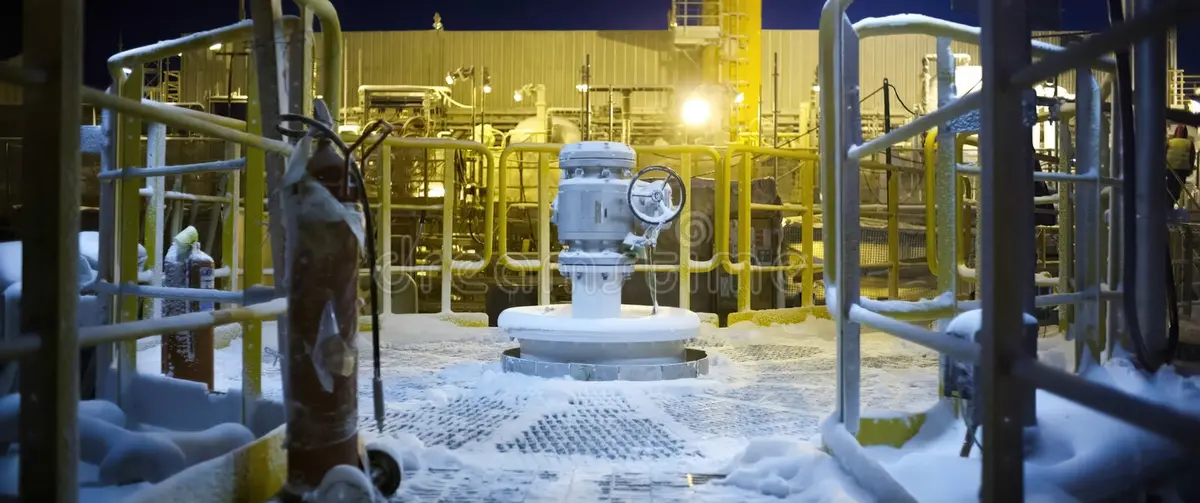
- Cryogenic pump bearings for LNG, LN2, LOX, and hydrogen applications, engineered to hold stability from -196°C to ambient through precision material selection and hybrid bearing designs.
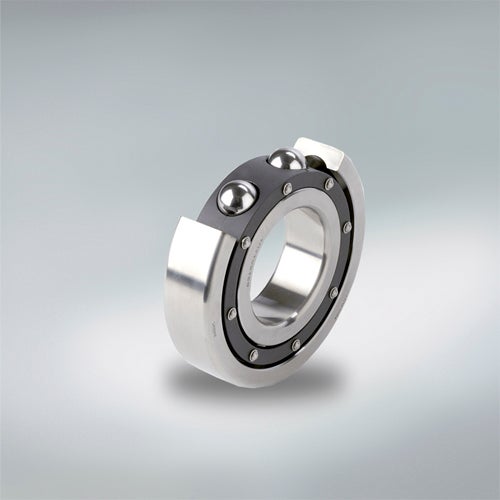
- Hybrid silicon nitride ceramic bearings providing superior speed, reduced friction, enhanced corrosion resistance, and electrical isolation across high-performance industrial and motorsport uses.
- Bespoke cage designs for high-speed deep groove ball bearings, including two-piece riveted designs that remove cage instability and have extended bearing life by 300% in demanding pump systems.
- Specialist dry lubrication systems using PTFE, PEEK, and advanced solid lubricants for cryogenic, high-vacuum, clean room, and food-grade environments where standard greases are unsuitable or banned.
- Nuclear and clean room bearing solutions using 440C stainless steel, silicon nitride ceramics, and PTFE composites for corrosion resistance, non-magnetic properties, and ultra-low particle output.
- In-house cryogenic testing and checks using liquid nitrogen test facilities to verify bearing output before use in safety-critical systems.
What Do Cryogenic Bearings Do in High-Performance Applications?
The core function of any bearing is to reduce friction and support load. However, in extreme environments, that function must hold under conditions that destroy standard assemblies within hours.
At cryogenic temperatures, the coefficient of thermal expansion (CTE) becomes the critical variable. Steel components contract at different rates. This creates interference fits that lock up, or clearances that cause ball-race contact loss. To address this, our hybrid designs pair silicon nitride ceramic balls with 440C stainless steel races. As a result, bearing geometry stays consistent from ambient down to -196°C.
Cage stability and lubrication add further complexity. Standard cage designs fracture under combined thermal contraction and high rotational speed. Standard greases also freeze or migrate entirely at these temperatures. Our bespoke riveted cage designs and PTFE-based dry lubrication systems tackle both failure modes at the engineering level — removing them as risks rather than managing their symptoms.
Why Cryogenic Bearings Are Non-Negotiable in Safety-Critical Systems
A bearing seizure in LNG or industrial gas handling triggers pressure problems, unplanned shutdowns, and costly safety work. Similarly, contamination from failed cage materials introduces fire risk in liquid oxygen systems. Beyond these environments, hydrogen systems carry serious safety and financial implications. For this reason, strong upfront investment in bearing reliability is always justified.
The same principle extends to nuclear environments, clean room production, and motorsport. In each case, standard bearing specs are simply not enough. Material selection, precision class, cage design, and lubrication strategy must therefore be engineered together — not picked from a catalogue. Our approach has delivered zero bearing failures in cryogenic service across every project we have supported. Where standard steel construction is the limiting factor, our hybrid ceramic bearings provide the stability these environments demand. Also, our high-temperature bearing solutions apply the same extreme-environment thinking across the full thermal range.
Why Do Standard Bearings Fail at Cryogenic Temperatures?
Standard bearings fail at cryogenic temperatures because their materials contract at mismatched rates. Steel components tighten beyond design tolerances, grease loses viscosity and solidifies, and standard cage materials become brittle. Without specialist material selection, thermal shock during initial cool-down creates expansion gaps that standard fitting steps cannot manage, leading to immediate or early bearing failure.
How Does Thermal Expansion Affect Bearing Performance at Low Temperatures?
Managing thermal expansion in specialist bearing uses requires precision material pairing. Silicon nitride ceramic balls expand at a much lower rate than steel, making them the ideal rolling element when matched with 440C stainless steel races. This hybrid design holds consistent bearing geometry from ambient down to -196°C, preventing the interference and clearance failures that destroy standard assemblies.
Industry-Specific Applications and Project Case Studies
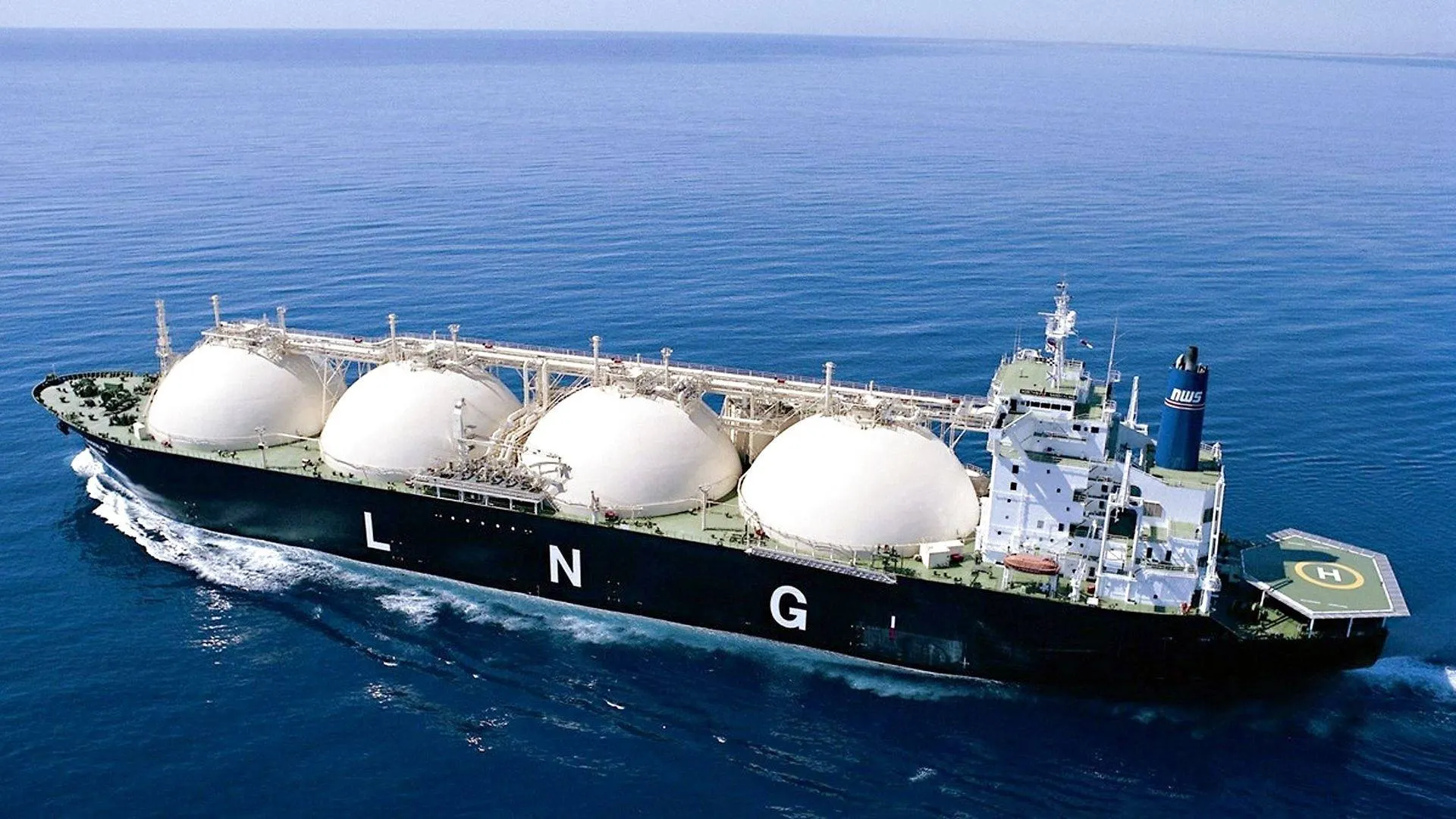
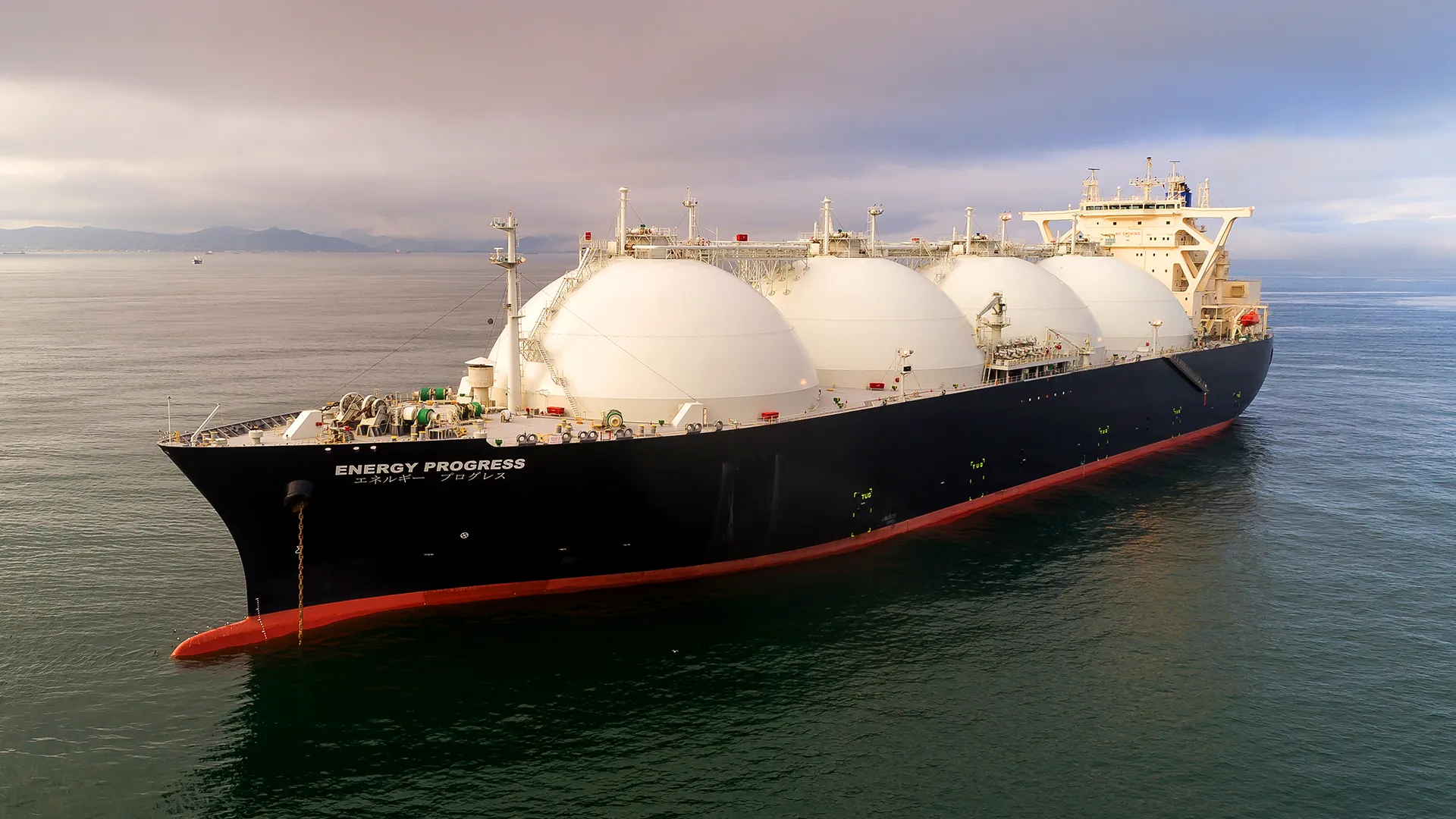
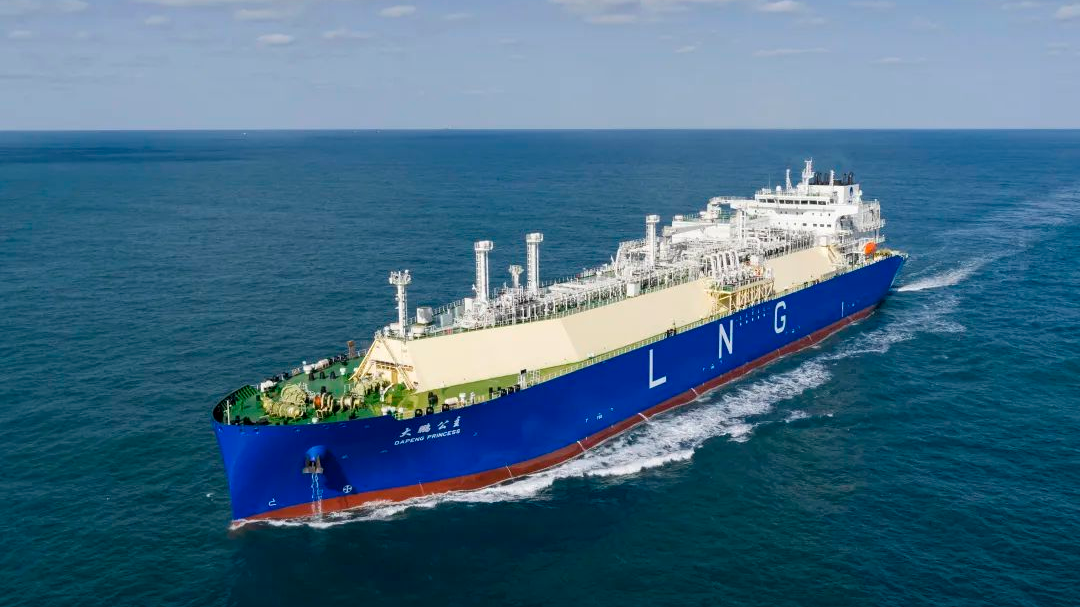
- LNG and Industrial Gas Handling. We have supplied hybrid bearing designs for LNG pump systems operating near -162°C. Controlled fitting steps and precise material selection delivered zero failures across every project.
- Liquid Nitrogen and Liquid Oxygen. LN2 reaches -196°C, while LOX adds oxygen fit as a key constraint. So, all parts are screened for LOX compatibility before any spec is confirmed.
- Hydrogen Systems. Hydrogen embrittlement screening covers all bearing materials, cage parts, and lubricants. This step is essential in our spec process.
- Nuclear and Clean Room Environments. Non-magnetic materials, full records, and ultra-low particle output are standard needs. Our 440C stainless steel and silicon nitride ceramic designs meet them across both environments.
- High-Speed Industrial Pumps. A bespoke two-piece riveted cage design for deep groove ball bearings removed premature cage failure caused by thermal expansion and high-speed instability. The result was a 300% increase in bearing life. For pump systems that also need combined radial and axial load support, our angular contact bearings are often specified alongside cryogenic designs.
What Lubrication Does an Extreme-Temperature Bearing System Use?
Standard greases are unsuitable for cryogenic uses because they lose viscosity, migrate, and freeze at low temperatures. Specialist dry lubricant systems — including PTFE-based coatings, PEEK composites, and advanced solid lubricants — replace them entirely. These materials hold a consistent low-friction interface at temperatures as low as -196°C, without the contamination or migration risks of oil-based alternatives.
Choosing the Right Cryogenic Bearings Partner
The right partner brings more than product availability. They offer application engineering expertise, in-house testing, and a proven record of zero failures. Material science knowledge must be deep and specific — not a general familiarity with bearing types. Testing must also be real. In-house cryogenic checks using liquid nitrogen are the only reliable way to confirm output before use. Also, fitting expertise must extend to controlled cool-down protocols that standard procedures do not include.
We deliver all of these. Our team holds ISO 9001:2015 and AS9120D:2016 quality system certifications. An industry partner network also covers specialist heat treatment and lubrication. Support runs from initial spec through to long-term performance tracking. To discuss your project, contact our engineering team.
Which Industries Rely on Specialist Extreme-Temperature Bearing Solutions?
Specialist bearing technology is most commonly used in LNG and industrial gas handling, hydrogen fuel systems, liquid oxygen supply, nuclear environments, and aerospace. Beyond cryogenics, the same material science and precision engineering ideas apply to motorsport, clean room production, high-speed pump systems, and any use where standard bearing specs cannot meet operating demands.
Frequently Asked Questions About Cryogenic Bearings
Silicon nitride ceramic balls paired with 440C stainless steel races form the preferred hybrid design for extreme-temperature uses. Cage materials are also typically PTFE composites or PEEK. Lubrication relies on PTFE-based dry lubricants and solid lubricant coatings. Together, this mix holds stability and low friction from ambient temperatures down to -196°C.
Yes. Our in-house cryogenic test facilities use liquid nitrogen to check bearing output before fitting. As a result, testing confirms stability, lubrication, and load capacity under real operating temperatures. For safety-critical systems, pre-fitting checks are essential — field failure carries costs far exceeding the price of early testing.
When correctly specified and fitted, cryogenic bearings outlast standard designs in extreme environments. Our bespoke cage designs have extended bearing life by 300% in high-speed pump uses. Also, hybrid silicon nitride ceramic designs extend service life through reduced friction, superior hardness, and removal of thermal expansion failures
Our cryogenic bearing solutions are built for temperatures from -196°C up to ambient operating conditions. As such, this covers LNG, LN2, and LOX uses throughout that range. Each design is checked for its specific target temperature before use to ensure stability and lubrication output across the full service life.
Yes. Standard fitting procedures cause immediate failure in cryogenic service. In particular, our protocols include pre-cooling sequences, controlled temperature ramp rates, and purpose-built guidance that account for thermal shock during initial cool-down. Also, on-site supervision and commissioning support are available for all safety-critical uses.
Delivering Reliable Cryogenic Bearings Where Failure Is Not an Option
Cryogenic bearings that perform correctly are the result of precise engineering decisions, rigorous testing, and expert fitting. Our team has delivered zero bearing failures in cryogenic service across every project we have supported — from LNG pump systems to liquid oxygen handling, nuclear environments to high-speed industrial pumps. When the cost of failure is unacceptable, the quality of your bearing solution matters profoundly.