Thin Section Bearings
What Are Thin Section Bearings?
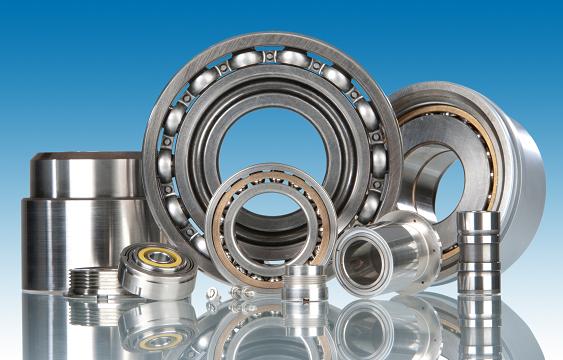
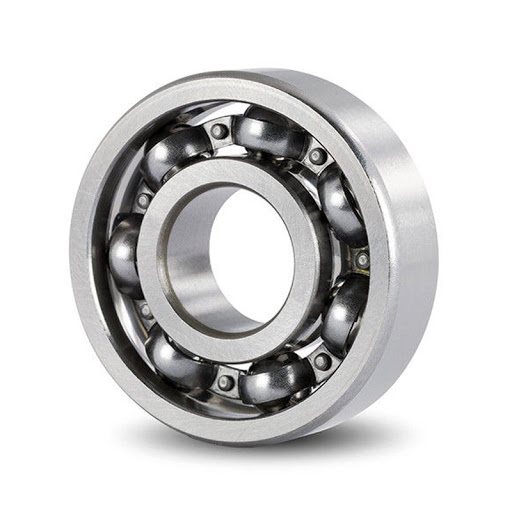
Thin section bearings are precision rolling bearings with an unusually slim cross section. They reduce cross sectional area by 30 to 50 percent while matching standard load capacity, which cuts weight, lowers rotational inertia, and frees space in aerospace, medical, defence, and precision equipment where standard bearings will not fit.
When space and weight push standard products out of contention, thin section bearings hold positioning accuracy where it matters. Our team carries decades of application experience and holds ISO 9001:2015 and AS9120D:2016 certification. We supply precision class bearings up to ABEC 7 tolerance, with engineering support across satellite, radar, cinematic camera, marine, and medical systems. Every recommendation starts with your actual loads, speeds, and environment — not a catalogue page.


Thin Section Bearing Solutions We Deliver
- Radial, angular, and four point contact designs to match perpendicular, combined, and bidirectional axial loads within the smallest possible cross section.
- Chrome steel and 440C stainless steel rings for hardness and wear resistance, or corrosion resistance in marine, medical, and chemical environments.
- Hybrid bearings with silicon nitride ceramic balls for high speed, reduced weight, lower thermal expansion, and no galling risk.
- PEEK, phenolic, and nylon cage options, including toroidal spacers and ball separators for cage free designs where space is tightest.
- Sealed configurations that keep contamination out and lubricant in — the single biggest driver of bearing life in the field.
- Full application engineering, from specification through installation, backed by failure analysis and decades of field data.
Where Are Thin Section Bearings Used?
Thin section bearings work wherever space and weight rule out standard products. They position satellite gimbals, radar antennas, and spacecraft mechanisms, steady gun sights and guidance systems, and turn medical imaging, surgical robotics, and laboratory centrifuges. They also run CNC spindles at high speed with minimal runout.
In semiconductor manufacturing, sealed stainless designs remove the outgassing and particle generation that contaminate clean processes. Cinematic cameras, precision optics, slip ring assemblies, and robotics rely on the same low profile geometry, while oil and gas, mining, agricultural, and automotive equipment use it to save weight and space.
Why Do Thin Section Bearings Fail Early?
Most early failures trace to three causes. Incorrect lubrication or contamination accounts for roughly half of field failures. Material incompatibility with temperature extremes or corrosive media drives accelerated wear. Mounting errors and undersized selection cause early fatigue, and shaft deflection under load shortens life more than catalogue calculations suggest. Correct sealing and material pairing remove each failure mode at the design stage.
Optimised lubrication delivered a 40 percent life extension on one marine application, and a bearing redesign cut costs by 60 percent on a high volume automotive programme.
How Do I Choose the Right Thin Section Bearing?
We provide application engineering support from initial specification through installation. Our team analyses loading conditions to specify the optimal configuration, recommends ring and ball materials, and offers installation guidance drawn from decades of field experience. For applications above 150°C, M50 tool steel holds hardness to 315°C, and our high temperature bearing solutions extend the same thinking across the full thermal range. Where speed or galling is the constraint, our hybrid ceramic bearings are often specified alongside thin section designs.
What Materials Suit Demanding Thin Section Bearing Applications?
Material pairing decides whether a bearing survives its environment. Cryogenic service from minus 196°C to ambient needs combinations that hold preload as components contract at different rates. Corrosive, pharmaceutical, food, and clean room work calls for 440C stainless steel. PEEK cages resist chemicals to 260°C, while ruby balls and Stellite handle extreme precision and severe wear.

Which Industries Rely on Thin Section Bearings?
Thin section bearings are most common in aerospace and satellite systems, defence guidance and radar, medical imaging and surgical robotics, and semiconductor manufacturing. Beyond those, the same low profile geometry supports cinematic cameras, precision optics, industrial automation, and marine equipment — any application where load capacity must hold inside a tightly constrained envelope.
Get the Thin Section Bearings Your Equipment Demands
Our application engineers are ready to discuss your requirements and recommend optimised solutions. With ISO 9001:2015 and AS9120D:2016 certification and extensive material science knowledge, we deliver thin section bearing solutions that extend service life and reduce total cost of ownership.

Frequently Asked Questions About Thin Section Bearings
Thin section bearings shrink the cross sectional area by 30 to 50 percent compared with standard products while keeping comparable load capacity. Weight and rotational inertia drop sharply, which lets designers fit a capable bearing into envelopes a standard product cannot reach.
We supply precision class thin section bearings up to ABEC 7 tolerance. Higher precision classes hold tighter runout and positioning accuracy, which matters in optics, radar positioning, and medical imaging where small errors compound across the system.
Yes. Hybrid designs with silicon nitride ceramic balls reduce weight and thermal expansion, supporting high speed CNC spindles and similar equipment with minimal runout. Material choice, cage design, and lubrication are specified together to keep the bearing stable at speed.
Yes. 440C stainless steel rings and balls provide corrosion resistance for marine, medical, pharmaceutical, food processing, and chemical plant environments. Sealed stainless designs also limit particle generation in clean room and semiconductor applications.
Lubrication faults and contamination cause about half of field failures, followed by material mismatch and mounting errors. Correct sealing, a suitable lubricant, and accurate mounting surfaces extend service life well beyond catalogue expectations.
Get the Thin Section Bearings Your Equipment Demands
Thin section bearings reward careful engineering with longer service life and lower total cost of ownership. With ISO 9001:2015 and AS9120D:2016 certification and deep material science knowledge, our application engineers specify solutions that fit tight envelopes and survive demanding duty. Tell us your loads, speeds, and environment, and we will recommend the right configuration.